
Market Strategy for New Hardware
The entertainment technology industry follows a well-defined product life cycle, typically lasting seven to eight years. Launching a new device requires the establishment of a compelling ecosystem to justify user migration. The introduction of limited or themed editions creates a sense of urgency and exclusivity, driving initial sales and generating queues at both physical and digital retailers.
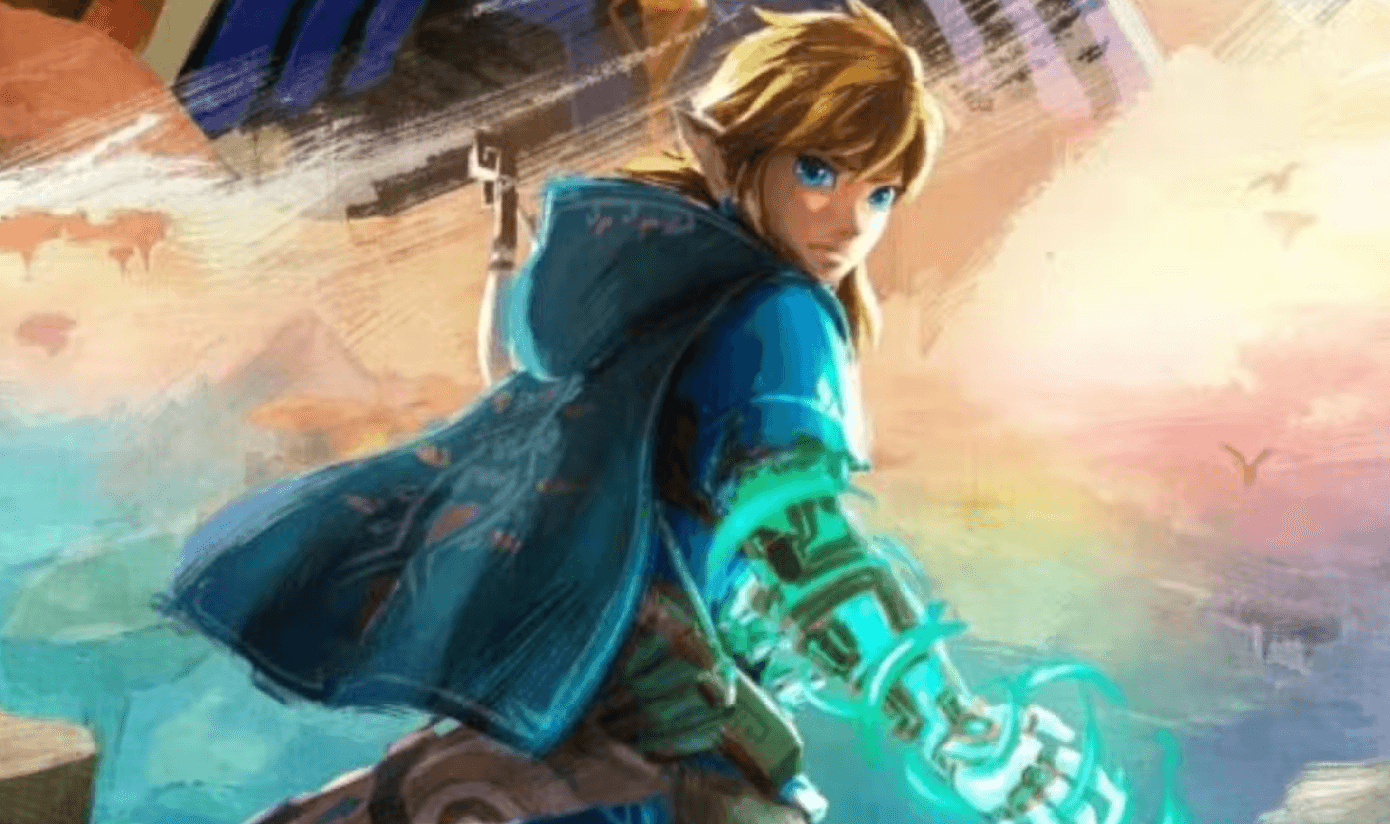
The choice of an adventure-fantasy series to brand the new equipment is no accident. Previous titles in the same series directly fueled sales growth during the current console's first year. Market analysts point out that repeating this formula aims to secure shareholder confidence and maintain high stock values during a critical transition period.
Another relevant factor in discussions about the new system is backward compatibility. The ability to run games from the previous generation on new hardware is seen as a key element for customer retention. Preserving the digital libraries that users have built over the years lowers the entry barrier for purchasing new equipment, providing a smoother and more cost-effective transition for the end consumer.
Historical Impact of the Adventure Series
The game rumored to receive a full remake was a milestone in the industry's transition to three-dimensional graphics. Originally released in 1998, the title established standards for combat, exploration, and narrative mechanics that are still used by various development studios today. The historical importance of this work means that any mention of its return generates widespread resonance in specialized forums and discussion networks.
Modernizing a classic of such magnitude involves complex technical and creative challenges. Developers need to balance fidelity to the original material with the usability and visual quality demands of contemporary audiences. Updating controls, increasing frames per second, and implementing high-resolution textures are considered minimum requirements for a production of this scale in today's market.
Technical Expectations for the Next Console
While the specifications of the new device remain a trade secret, predictions suggest a significant leap compared to the current model. It is expected to feature a more efficient graphics chip capable of handling images with higher resolution and greater fluidity. The integration of AI-based upscaling technology is considered a likely solution to provide advanced visuals without compromising battery life in handheld mode.
Internal storage capacity is also expected to change to accommodate increasingly larger games. A transition to fast-read flash memory would reduce loading times, changing how virtual worlds are designed and explored. This structural change in hardware allows developers to create denser, more continuous environments, eliminating the old loading screens that interrupt the user experience.
The device's screen is another point of focus in the production chain. Component suppliers have discussed the possibility of adopting panels with OLED technology starting from the base model. The display quality of deep blacks and vibrant colors has become a significant competitive advantage in the mobile entertainment device sector, putting pressure on manufacturers to raise display standards.
Remakes as a Commercial Pillar
For major development studios, focusing on the recreation of older titles has become a safe financial strategy. By revitalizing established intellectual property, companies reduce the risks associated with creating new brands from scratch. Established popularity ensures a loyal buyer base, while updated graphics and modernized mechanics attract younger demographics who may not have experienced the original.
Beyond the financial aspect, remakes serve as excellent hardware demonstration tools. They allow for direct comparisons between the past and the present, showcasing the evolution of processing power, dynamic lighting, and geometric complexity offered by the new system in a clear and educational manner. This approach has been successfully utilized by several companies in the industry, turning nostalgia into a tangible and highly profitable asset in annual fiscal balances.