
Trading card games are having a serious moment right now. Between Bandai’s expanding lineup of anime-inspired releases, including the newly announced Naruto Card Game, and crossover-heavy giants like Marvel Super Heroes in Magic: The Gathering, it feels like nearly every fandom now has a deck to shuffle.
Into that increasingly crowded space steps Neuroscape TCG, a cyberpunk card game that first gained traction on Kickstarter and is now preparing for a broader retail launch later this year, with most Kickstarter fulfillment already completed. It’s also worth making one thing clear up front: this is not the same game as the CD Projekt Red-backed Cyberpunk TCG. The two may share a genre aesthetic, but their gameplay approach is notably different.
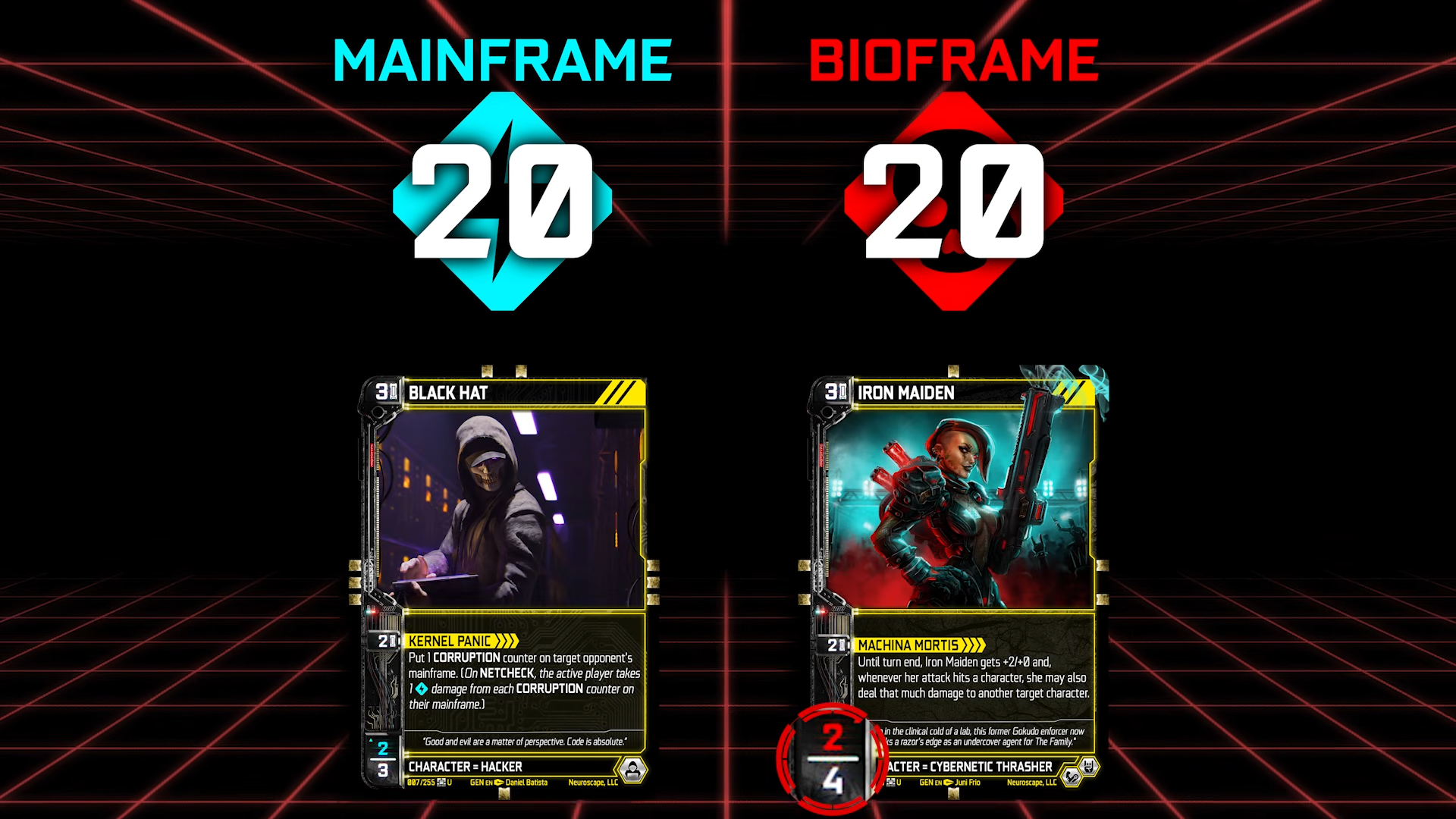
A resource system that feels familiar, but plays differently
One of the more interesting things about Neuroscape is how it handles resources. Rather than mixing resource cards into the main deck, the game uses a separate RAM deck. That instantly makes it feel more structured than many traditional TCG economies, and it brings to mind systems seen in games like Bandai’s One Piece and Gundam card games.
What gives Neuroscape its own identity is the flexibility players have during the draw phase. Each turn, you can choose one of three routes:
- Add two RAM to your resource pool
- Draw two cards from your main deck and skip RAM
- Add one RAM and draw one card
That small decision point seems to add a lot of tactical texture. If you need to accelerate your board, you can lean into RAM. If your hand is running dry, you can refill instead. And if you need a bit of both, there’s a middle option. It gives the turn-to-turn pacing more player control than many card games offer.
RAM also doesn’t just sit in a pool waiting to be spent. In Neuroscape, it has to be committed to characters when they enter play, effectively locking those resources into the units powering your field. That creates meaningful tension, since using RAM to establish a board also reduces what remains available for other plays. The comparison to Pokémon’s energy attachment system makes sense here, even if the overall framework is different.
There is, however, a way to reclaim those resources. If a character leaves the field through damage, its attached RAM can come back. Players can also choose to force quit their own character at the beginning of a turn, returning that RAM to the resource pool for immediate use. According to IGN, co-creators Connor Hair and Alex Meader pointed to both Pokémon and Magic: The Gathering as influences on this design.
Deckbuilding is driven by faction identity
Like many modern TCGs, Neuroscape leans heavily on faction synergy. While the game includes multiple factions, the first two-player starter kits spotlight six of them: Hacker, Cybernetic, Corpo, Dustrunner, Mystic, and Thrasher.
- Hacker is centered on damaging the enemy mainframe and making use of program cards, including spell-like effects and Trojan-style traps.
- Cybernetic emphasizes direct physical damage and gear, along with upgrades tied to a drawback called psychosis.
- Corpo is built around RAM acceleration, helping players get to expensive cards faster.
- Dustrunner uses tether cards to link characters together, while also pressuring opponents through RAM destruction and bounce effects.
- Mystic revolves around tarot cards, a unique type of program whose effects can shift based on the board and gain added value from the recycle bin or discard pile.
- Thrasher pushes aggressive target removal and nonstop pressure, including Overrun, which lets excess damage carry through even when an attack is blocked.
The faction system doesn’t just shape a deck’s style; it also ties directly into passive bonuses. The more cards you commit to a shared faction, the easier it becomes to trigger faction-based effects through your mainframe. That gives deckbuilding a strong incentive to specialize instead of simply mixing the strongest standalone cards.
Mainframes add another layer of strategy
If factions define your deck, the mainframe seems to define your identity in play. It functions a bit like a personal class system combined with an equipment zone, rewarding players for leaning into a particular faction plan. Choose a Hacker-oriented mainframe, for example, and you can gain benefits for maintaining enough Hacker cards on the field.
Mainframes also include three slots that can be used for additional passive effects over the course of the game. That gives the system a modular feel, as if your deck archetype is being customized not only through card choices, but also through the digital framework supporting it.
One of the more flavorful mechanics tied to this system is the ability to sneak a hidden Trojan or trap program into an opponent’s mainframe slot. That does two things at once: it occupies one of their available spaces and sets up concealed disruption that can interfere with their plan later on. It’s a smart thematic fit for a cyberpunk game, and it helps the “hacking” fantasy feel mechanical rather than purely cosmetic.
There’s also a shared slot between both players for environment programs. Much like stadium-style cards in Pokémon, these affect both sides of the table and can be replaced when a new environment is played.
Strong visual appeal and collector hooks
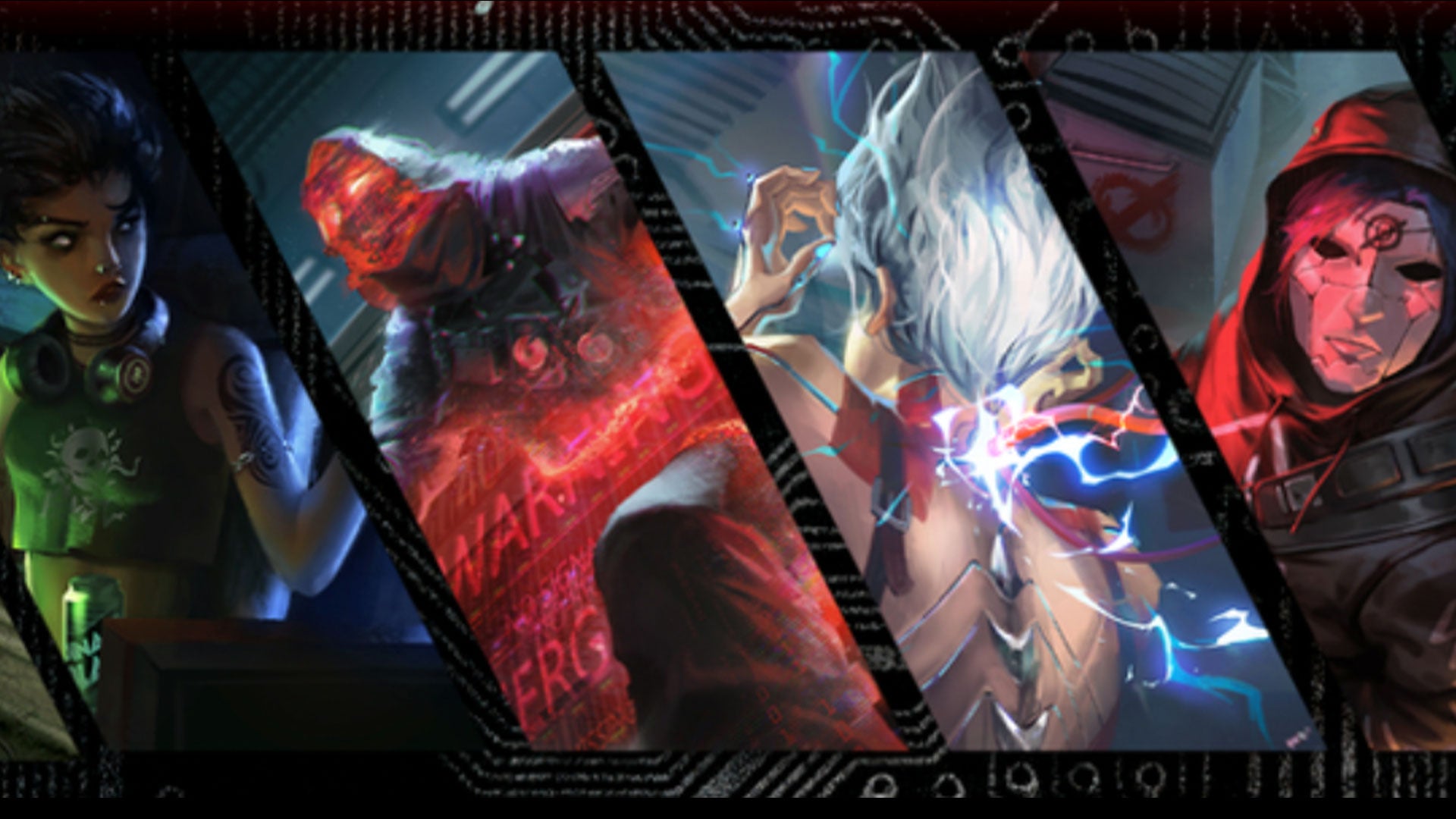
Beyond mechanics, Neuroscape appears to be making a strong first impression through its presentation. The game features original art from artists whose past work includes franchises such as Magic: The Gathering, Warhammer 40K, Star Wars, Netrunner, and Cyberpunk 2077. IGN highlighted the game’s cyberpunk art direction as one of its biggest strengths, and that’s easy to understand in a genre where visual style matters almost as much as rules design.
For collectors, the rarity lineup includes common, uncommon, rare, quantum rare, and serialized cards. The game also supports organized play variants, from participation promos up to top-3 prize cards for competitive events.
Not the same cyberpunk card game, and that matters
With Cyberpunk TCG also on the horizon, comparisons are inevitable. But based on IGN’s preview, Neuroscape distinguishes itself by focusing less on pure board control and more on direct confrontation, resource commitment, and interaction with each player’s mainframe. In other words, even if both games share neon-soaked aesthetics, they are aiming at different kinds of card game tension.
That may be exactly what helps Neuroscape stand out. In a market packed with recognizable licenses, it’s trying to carve out space as an original cyberpunk TCG with a clear mechanical identity. IGN also noted that Asmodee is partnering with Neuroscape TCG, which could help make the game more accessible once it reaches store shelves.
Source: Mike Mamon, IGN Southeast Asia.