
Matt Cabral’s long-running relationship with Resident Evil stretches all the way back to 1996, when the Spencer Mansion first opened its ominous doors. That history shapes his view of why Resident Evil Veronica matters so much.
Among all the announcements at Summer Game Fest, few likely landed harder for Resident Evil fans than Resident Evil Veronica. For players who came into the series through Capcom’s modern remakes, the reaction was easy to understand: Claire Redfield’s story has been waiting for a proper continuation for a very long time.
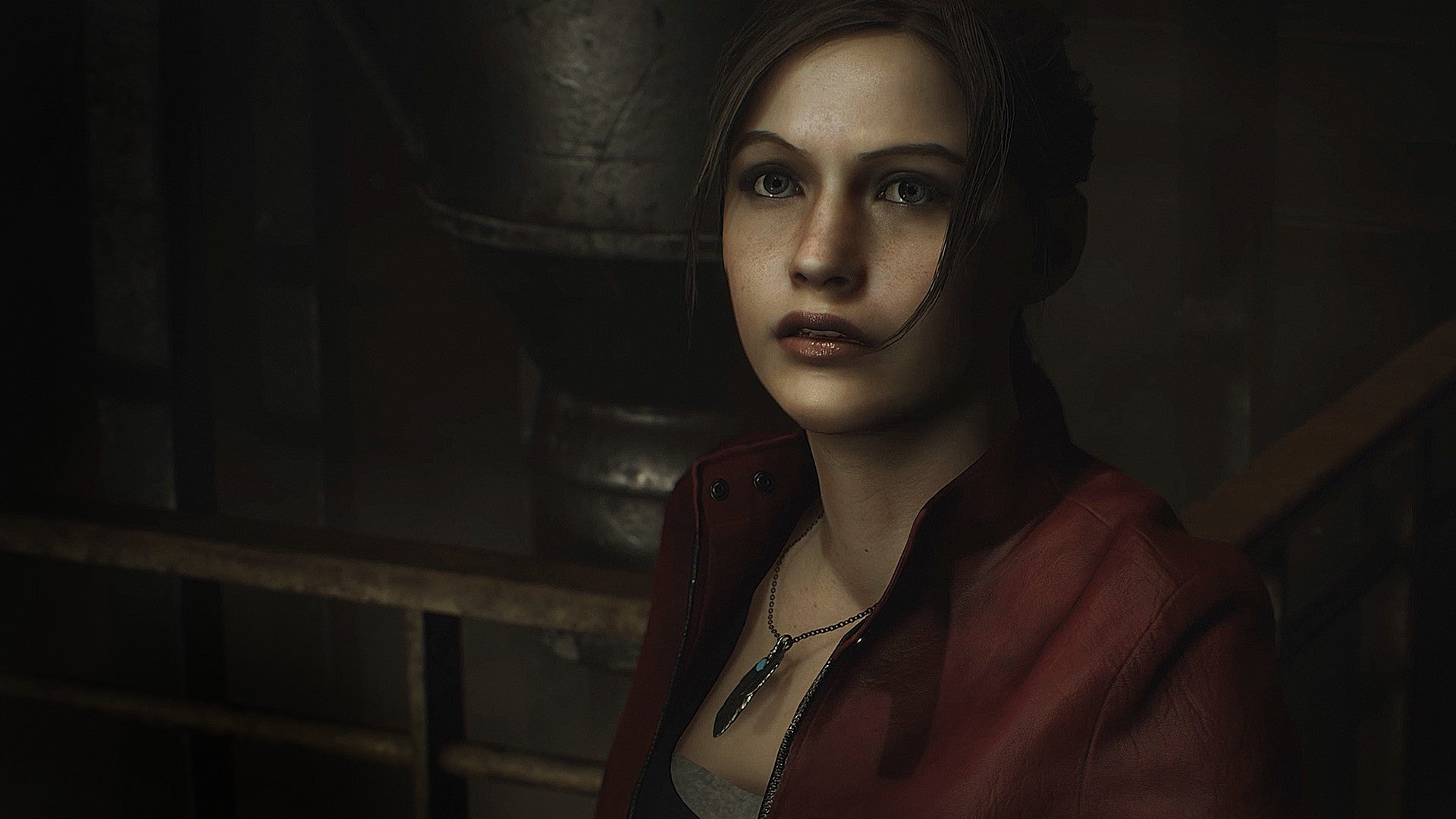
Anyone who finished Resident Evil 2 Remake already knows the setup. Claire arrives in Raccoon City looking for her brother Chris, only to discover he had already left for Europe. That revelation ended up feeling less like closure and more like a promise the remake line hadn’t yet paid off.
And if you were newer to the series, it would have been reasonable to assume the next remake would follow that thread immediately. Resident Evil 3 certainly flirts with that expectation in its opening moments, placing players in a first-person apartment sequence with a female lead and environmental details that echo RE2, including a large Raccoon City map and a photo of Annette Birkin. For a moment, it almost feels like Claire’s next chapter is about to begin.
Instead, RE3 quickly establishes itself as Jill Valentine’s story, tied to the aftermath of the 1996 original and driven by Nemesis. Then Resident Evil 4 Remake arrived and shifted focus once again, returning players to Leon in Europe six years later, but not as part of Claire’s search for Chris. So while the remake era moved forward, Claire’s path remained stuck in limbo.
Claire Redfield Has Long Deserved a Bigger Spotlight
That’s what makes Resident Evil Veronica more than just another nostalgic revival. It doesn’t merely revisit a fan-favorite entry; it finally brings Claire back to center stage in a way the franchise has rarely done, despite her status as one of Resident Evil’s most recognizable protagonists.
Claire is often mentioned alongside Leon, Jill, and Chris as one of the series’ defining heroes, yet her starring roles in the mainline saga have been surprisingly limited. Beyond the original Resident Evil 2 and Code: Veronica, her biggest headlining appearance came in Resident Evil: Revelations 2, a spin-off that gave her a meaningful return but still sat outside the numbered core entries.
That gap matters. Revelations 2 showed how much Claire could bring to the series: a survivor who had evolved from a determined college student into a capable TerraSave operative, while still retaining the empathy and resilience that made her stand out in the first place. But even then, it arrived many years after Code: Veronica, underscoring how rarely Capcom has built major Resident Evil projects around her.
Yes, Claire has remained present across the broader franchise. She has appeared in side games, crossovers, mobile outings, and other Resident Evil-adjacent projects. But presence isn’t the same as priority, and that’s the heart of the argument here. For a character this popular, Claire has too often been treated as essential in theory and secondary in practice.
Why Veronica Feels Like the Right Moment
Even if you could argue that one remake still doesn’t fully correct years of underuse, Capcom’s recent track record gives plenty of reason for optimism. The company hasn’t treated its remake projects as simple visual upgrades. Resident Evil 2, Resident Evil 3, and Resident Evil 4 were all rebuilt with modern design sensibilities, often reworking structure, pacing, characterization, and mechanics rather than just polishing old assets.
That approach is especially promising for Claire. Her RE2 remake portrayal already gave the character more warmth, confidence, humor, and emotional texture than ever before. Matt Cabral points to that version of Claire as a strong foundation for Veronica to build on. Stephanie Panisello’s performance was a big part of that reinvention, though she has not been confirmed for the new game.
Still, the larger point remains: seven years after Claire’s remake-era debut in Raccoon City, Veronica has a chance to deepen that interpretation and push it further. Rather than simply bringing back an old fan favorite, this remake could help define the modern version of Claire in a way the franchise has postponed for years.
Modernized Horror, Familiar Foundations
On the gameplay front, Capcom has already indicated that Veronica will draw heavily from the design philosophy behind the RE2 and RE4 remakes, both of which came from the same team now handling this project. That should mean a balancing act between preserving the identity of the original and updating its systems to feel aligned with today’s Resident Evil.
Most notably, Capcom has confirmed a direction in line with the recent remakes, making it easy to imagine Veronica adopting that over-the-shoulder third-person style that has become the modern standard for the series. At the same time, the reveal trailer also suggests at least one first-person, exploration-heavy sequence, hinting that Capcom may be mixing perspectives when it suits the tone or scenario.
That combination could be one of the remake’s most exciting advantages. Code: Veronica has always occupied an interesting place in the series, bridging old-school survival horror sensibilities with a larger, more cinematic scope. Reimagining it through the lens of RE Engine-era design could make it feel more immediate without stripping away what made it memorable.
A Chance to Strengthen the Story’s Place in the Timeline
Resident Evil Veronica also has an opportunity beyond combat and camera angles. According to comments about adjusting the story to better fit the series timeline, this remake may expand or refine narrative material so it connects more cleanly with the games around it.
That matters because Veronica has often been seen as vitally important lore-wise, yet not always framed with the same weight as numbered entries. Even the remake’s streamlined name, Resident Evil Veronica, subtly helps reposition it. It sounds less like an offshoot and more like a chapter that belongs squarely in the central sequence of events.
For Claire especially, that could be a huge benefit. Her European search for Chris is an important continuation of RE2’s ending, and this remake gives Capcom a real opportunity to make that journey feel more naturally connected to both what came before and what followed after. It may also be a chance to clarify or revisit points from the original that have lingered as open questions for years.
RE Engine Could Make Its Locations Shine
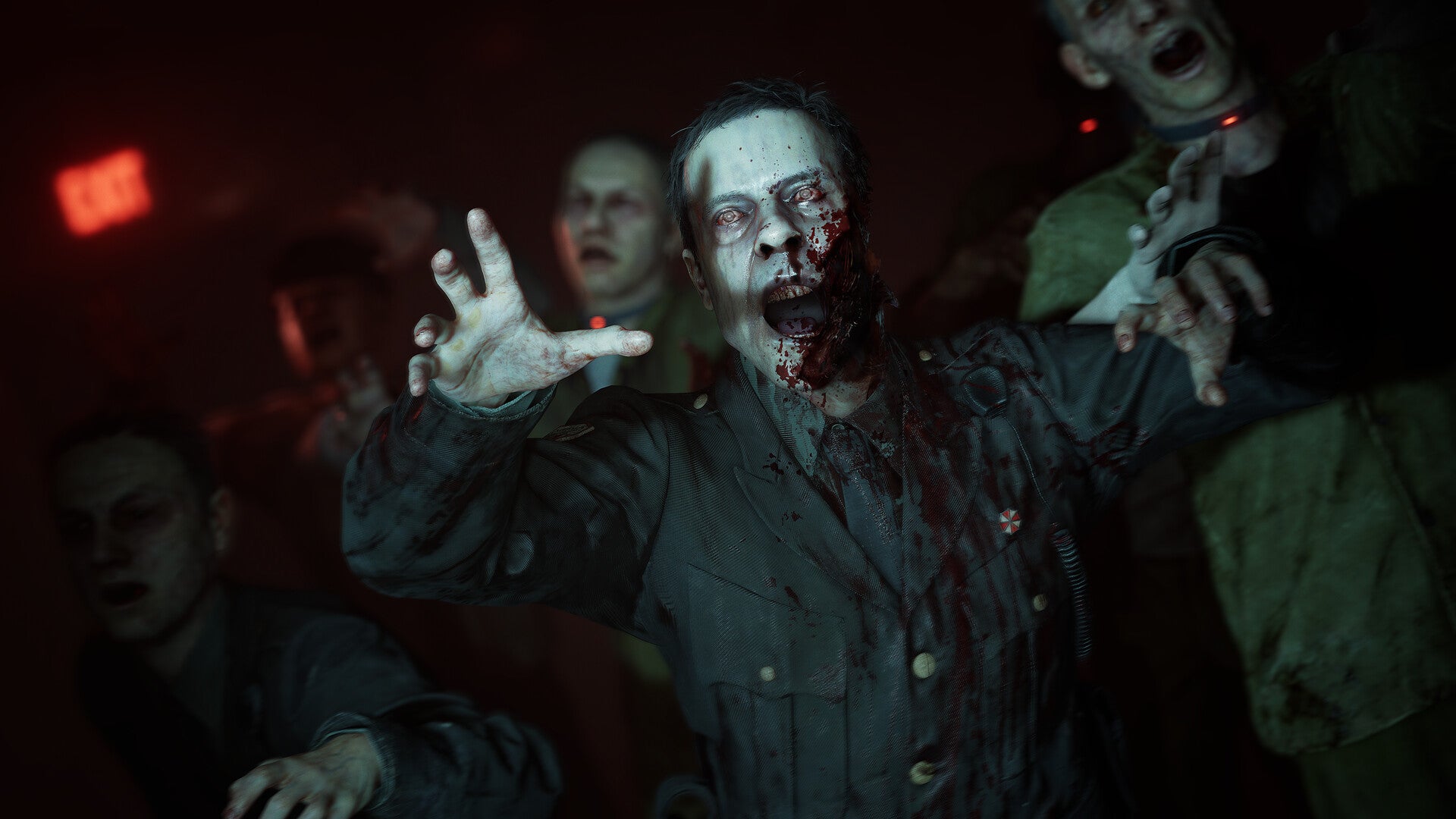
Visually, the early footage already suggests a dramatic overhaul. Cabral specifically highlights the Paris apartment seen in the reveal trailer as an early sign of how far this remake may go in reimagining the game’s spaces with modern detail and atmosphere.
And if that level of fidelity carries through the full experience, several iconic settings could be transformed in especially exciting ways. Rockfort Island prison and Umbrella’s Antarctic base stand out as two environments that seem particularly suited to the strengths of the RE Engine, with their distinct moods and strong horror potential.
Claire’s Return Is the Real Story
More than anything, Resident Evil Veronica feels important because it finally restores momentum to Claire Redfield’s story. For newer players, it answers the lingering question left behind by Resident Evil 2 Remake: what happened when Claire went after Chris? For longtime fans, it offers something just as valuable: a long-overdue reminder that Claire is not merely part of Resident Evil’s history, but one of its defining leads.
That alone makes Veronica worth watching closely. If Capcom can deliver the same kind of thoughtful reinvention it brought to its previous remakes, Claire may at last get the spotlight she should have had all along.